Department of Marine and Freshwater Resources Management
Logo

Department of Marine and Freshwater Resources Management

Department of Freshwater Resources Management

Department of Freshwater Resources Management

Workspaces

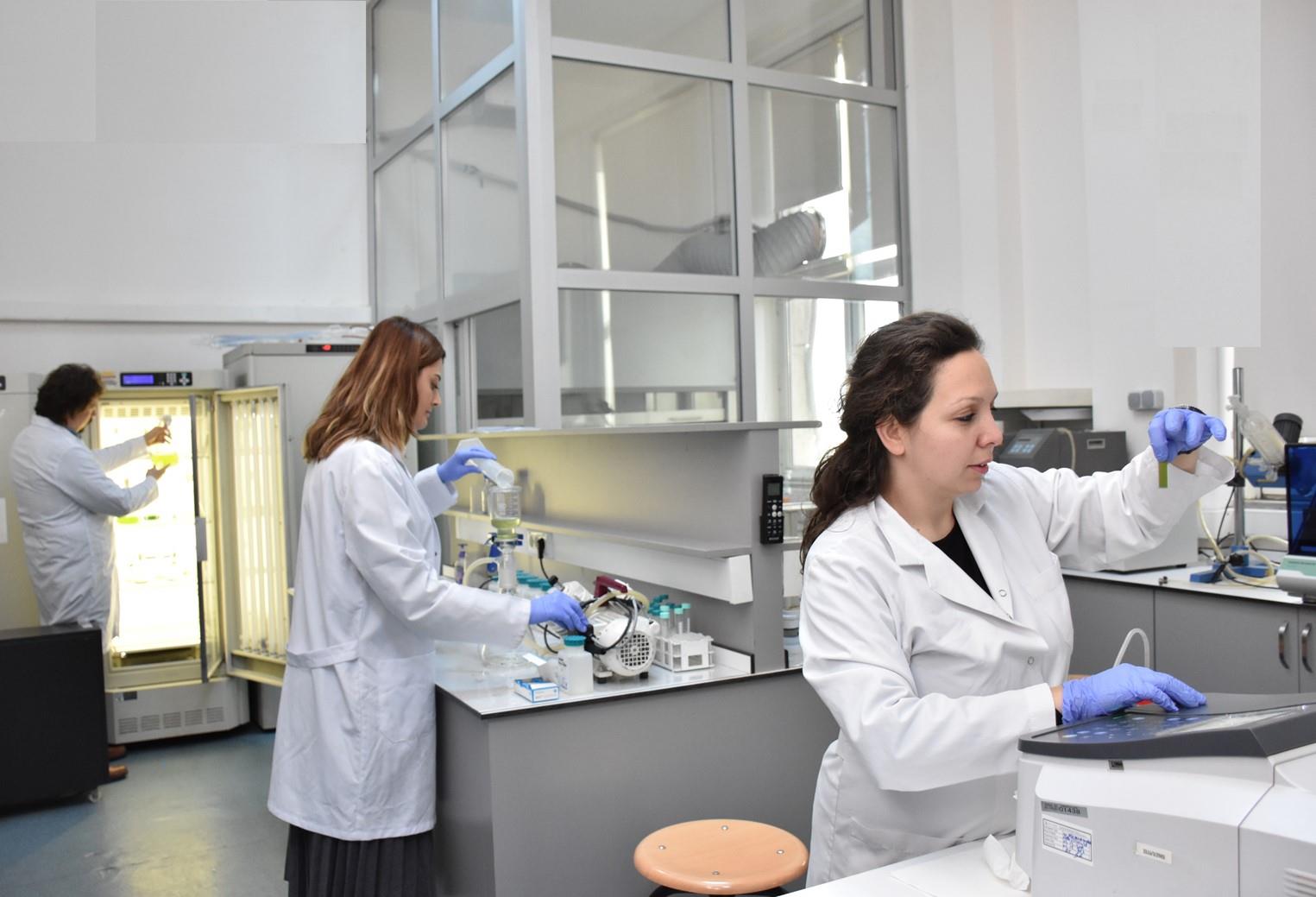
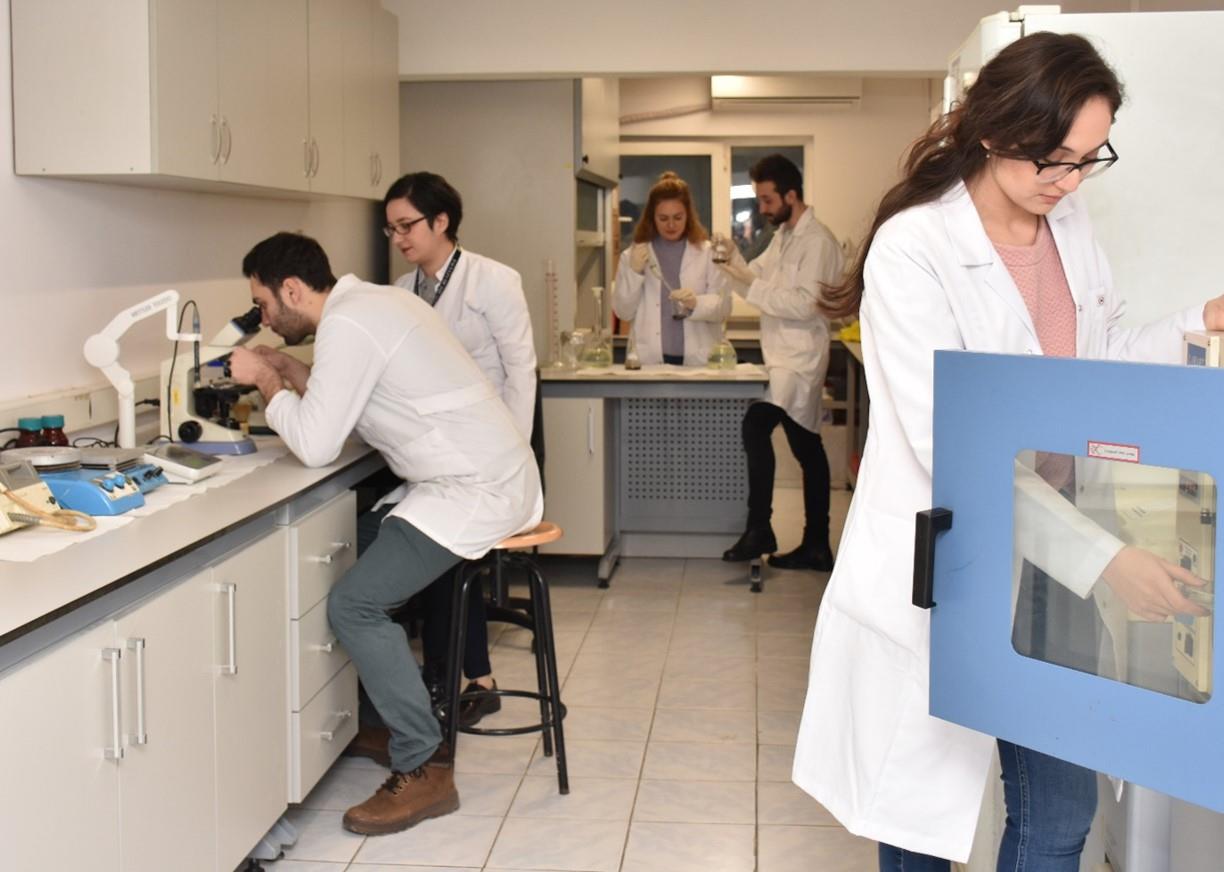
In addition to international projects, projects are being carried out in most of the water basins of our country where water resources are evaluated according to the EU Water Framework Directive. Many parameters from micro pollutants to biological quality elements are measured and evaluated in water resources. The impact of domestic, industrial and agricultural pollutants on water resources is examined through integrated basin-based studies.


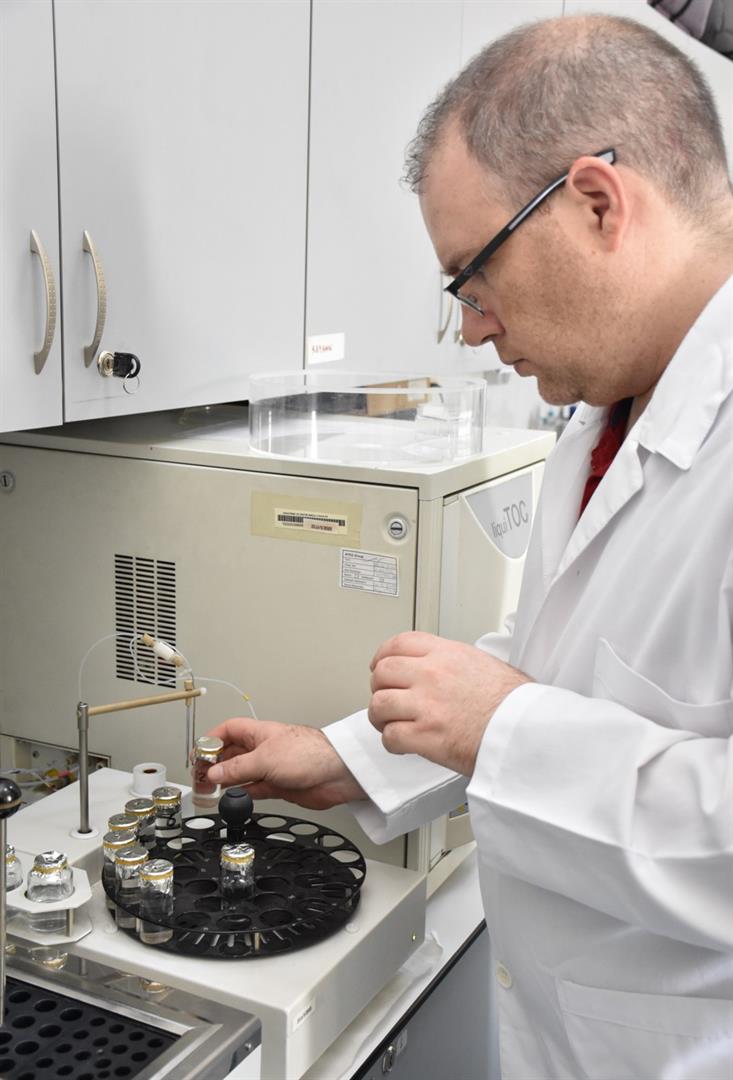
  • Cyanotoxin, pesticide, metal and non-targeted monitoring measurements (by HPLC, ICP-MS, LC-MS, GC-MS and ELISA methods),
  • Biocidal Product Analysis,
  • (Inland Waters Biology Biocidal Product Analysis Laboratory is authorized as a reference laboratory by the Republic of Turkey Ministry of Health, General Directorate of Primary Health Care Services),
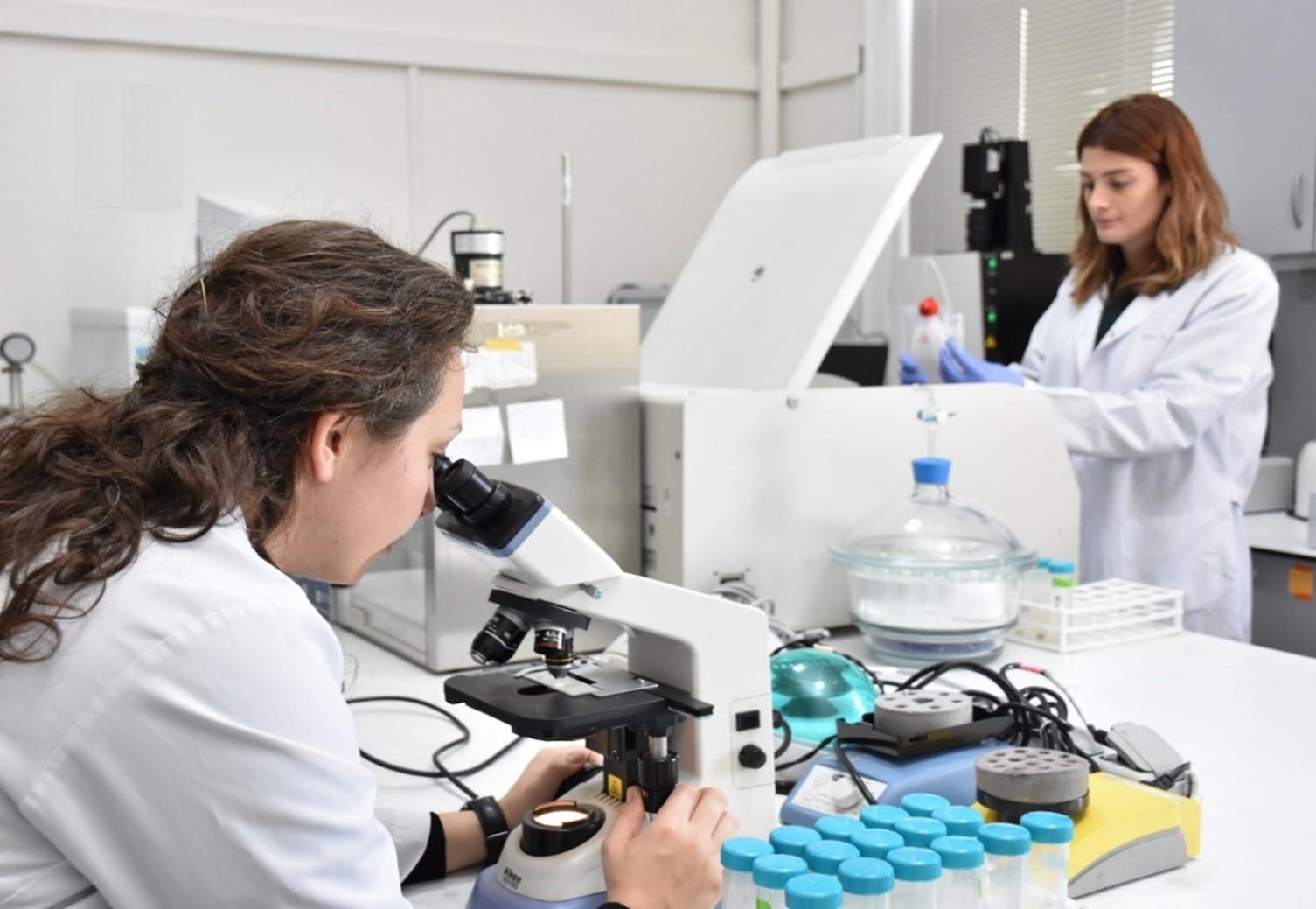
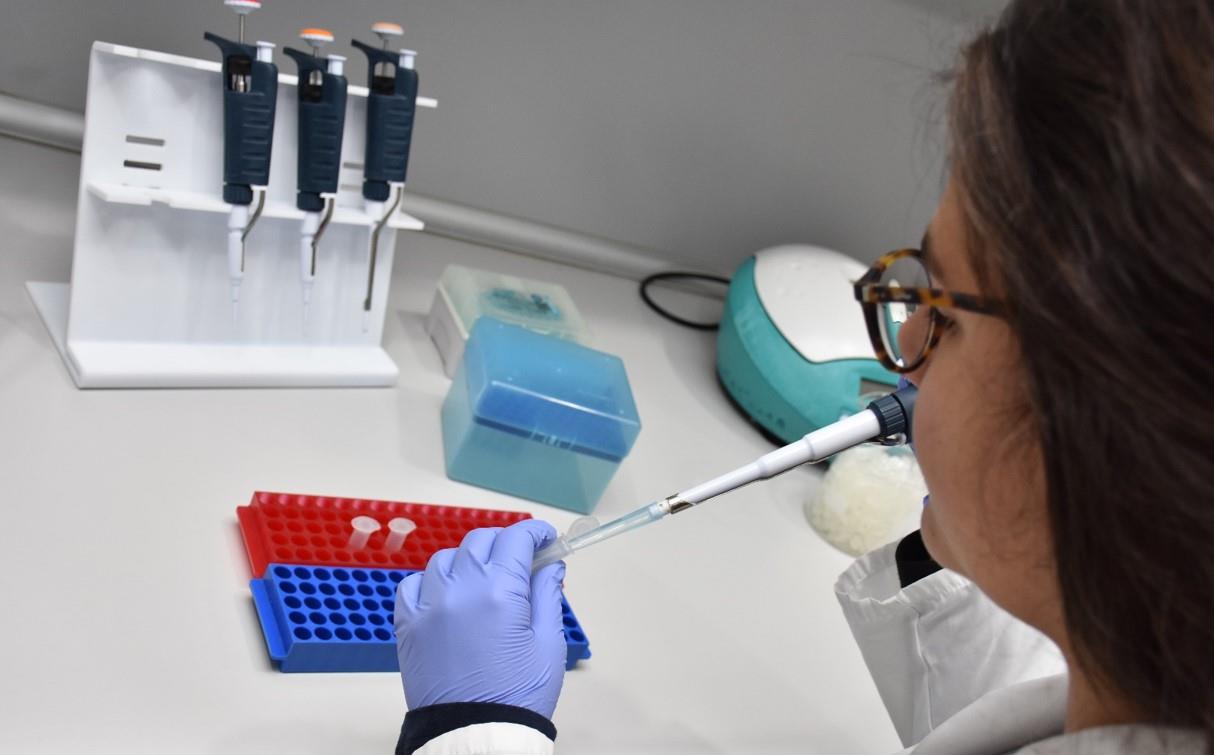
  • Biotechnology, ecotoxicology and molecular-based research,
  • Investigation of micropollutants in drinking water, natural lakes and treatment plants,
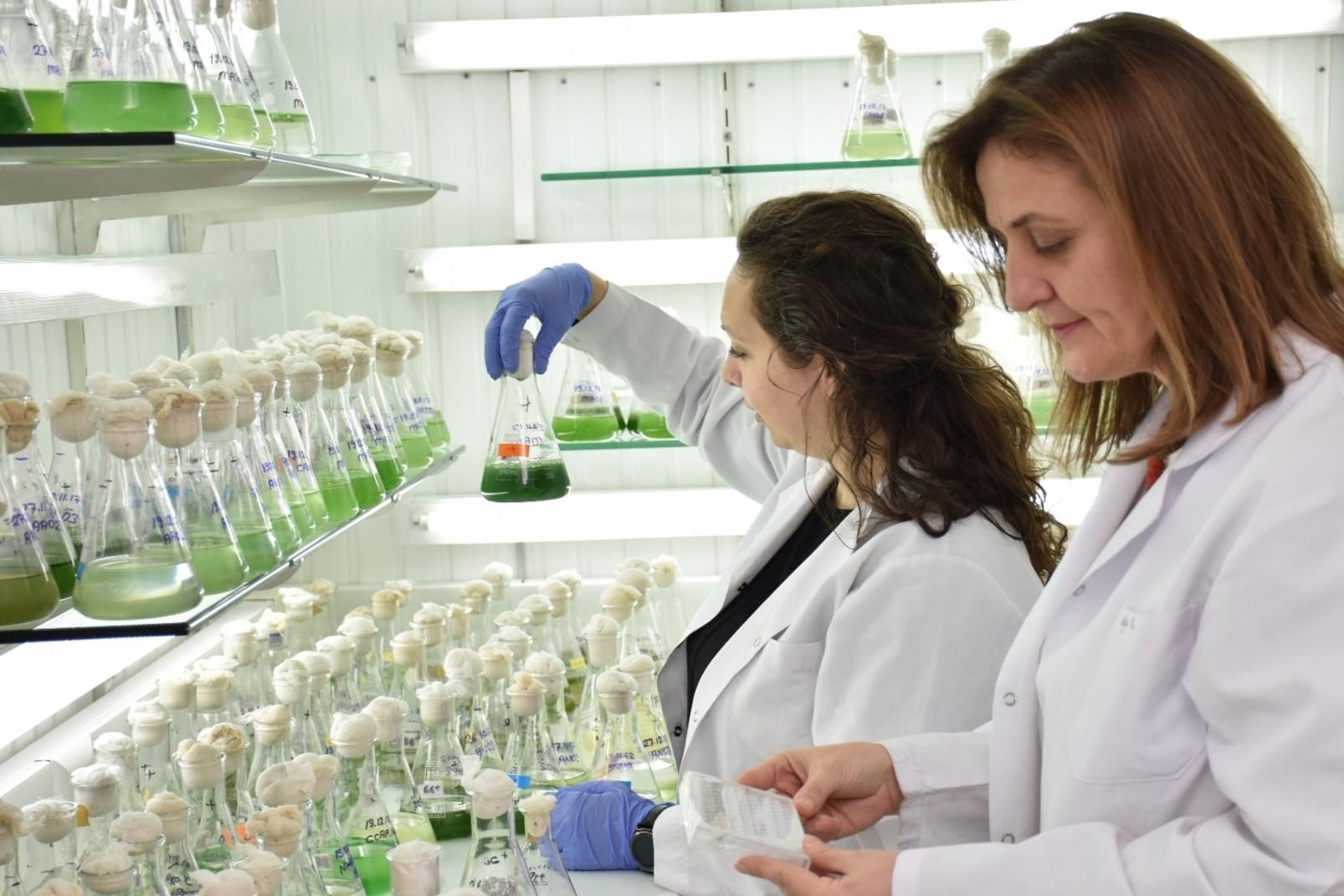
  • Physiological and ecotoxicological studies with more than 80 isolates in the Cyanobacteria Culture Laboratory of Inland Waters Biology,
  • Monitoring of inland waters in accordance with their intended use and determination of their current status,
  • Studies on the effects of climatic change on inland waters,
  • Effects of pollutants on the food chain and food web,
  • Determination of environmental factors affecting cyanotoxin production in natural and controlled environments and identification of toxin producing genes, determination of their composition and biomass, distribution areas and their relationships with environmental factors,
  • Distribution and habitat selection of invasive species.


Prof.Dr. Meric ALBAY (Head of the Department)

Prof. Dr. ALİ ERTÜRK

Prof.Dr. REYHAN AKÇAALAN ALBAY

Prof. Dr. SERAP KOŞAL ŞAHİN

Prof.Dr. YELDA AKTAN

Assoc. Prof. DİLEK ÖZYURT GÖRGÜL

Assoc. Prof. EMİNE GÖZDE ÖZBAYRAM

Assoc. Prof. LATIFE KÖKER DEMO

Assoc. Prof. NEŞE YILMAZ

Assoc. Prof. ÖZCAN GAYGUSUZ

Assoc. Prof. ZEYNEP DORAK

Assist. Prof. CENK GÜREVİN

Assist. Prof. CUMHUR HALDUN YARDIMCI

Res. Assist. Dr. FATİH AYDIN

Res. Assist. Dr. Zuhal ZENGİN

Res. Assist. Dr. AYÇA OĞUZ ÇAM


Department of Marine Biology

Workspaces

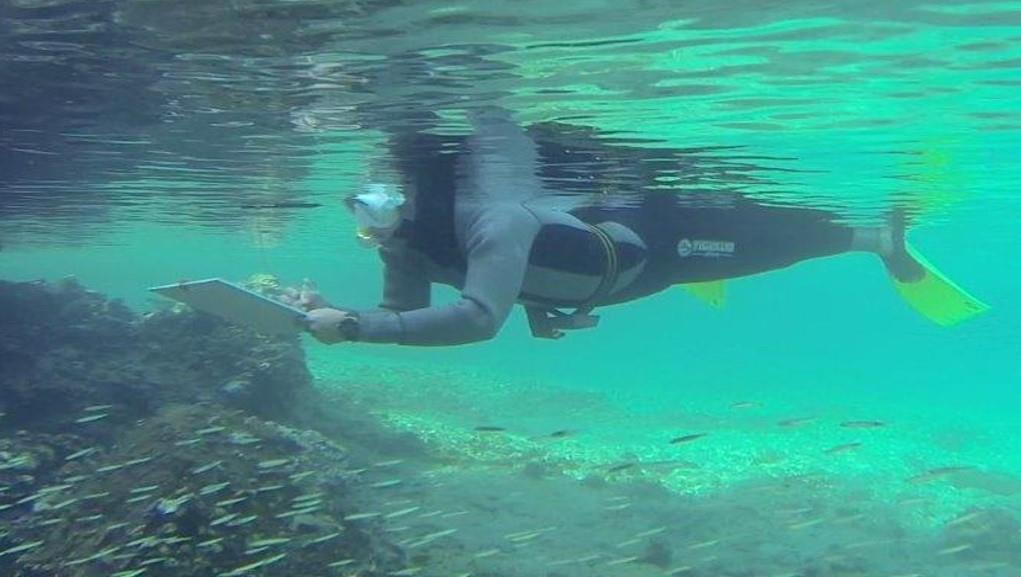
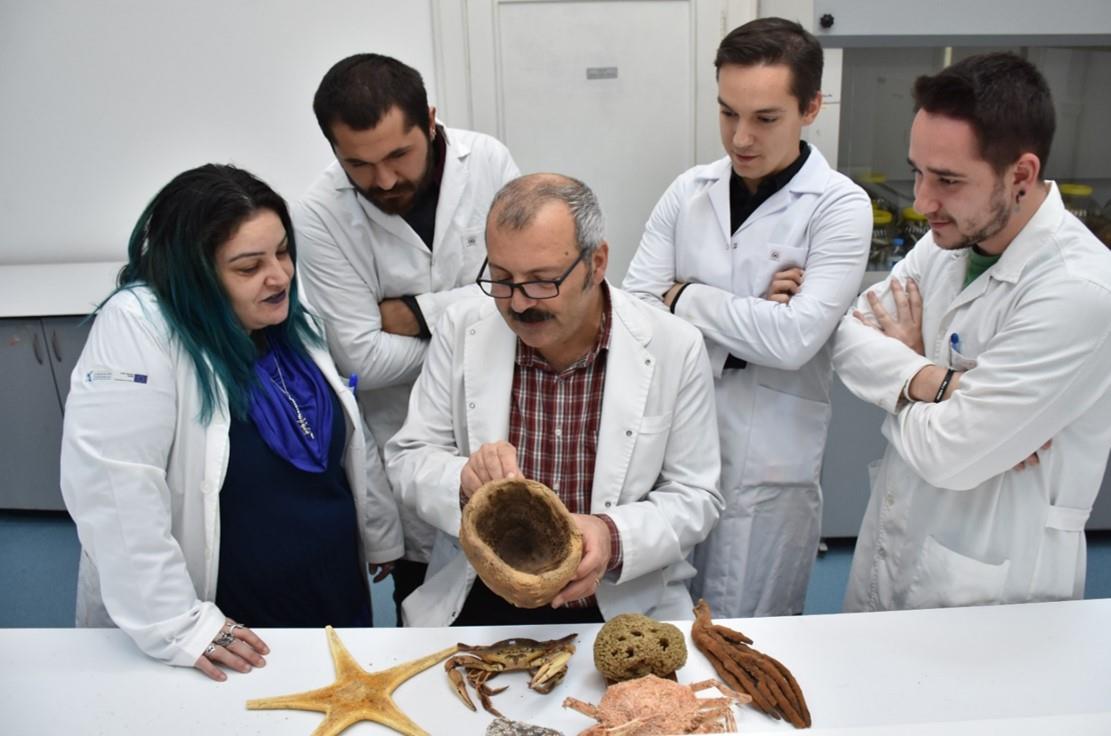
Marine Biology Department; is an academic unit that carries out researches and national and international supported projects on species composition, distribution, biomass of living marine resources of our seas (zooplankton, fish, benthos, mammals) and their relationships with environmental factors, population dynamics of economically important species, stock estimates, coastal ecosystem and dynamics, determination of the effects of pollutants on the marine environment and living organisms, bacterial diversity, monitoring of endangered species and their conservation, making the best use of living resources and what needs to be done for this.


  • Monitoring the physico-chemical and biological characteristics of our seas on a regional basis in order to make the best use of our seas and to contribute to the protection of the sustainability of living marine resources, and researching information on the natural life characteristics of living species and evaluating them with statistical methods,
  • Monitoring fish migrations in the Turkish Straits System and determining the effects on fisheries on a regional basis,
  • Monitoring marine biological invasions,
  • Bacterial bioremediation, bacterial pollution studies,
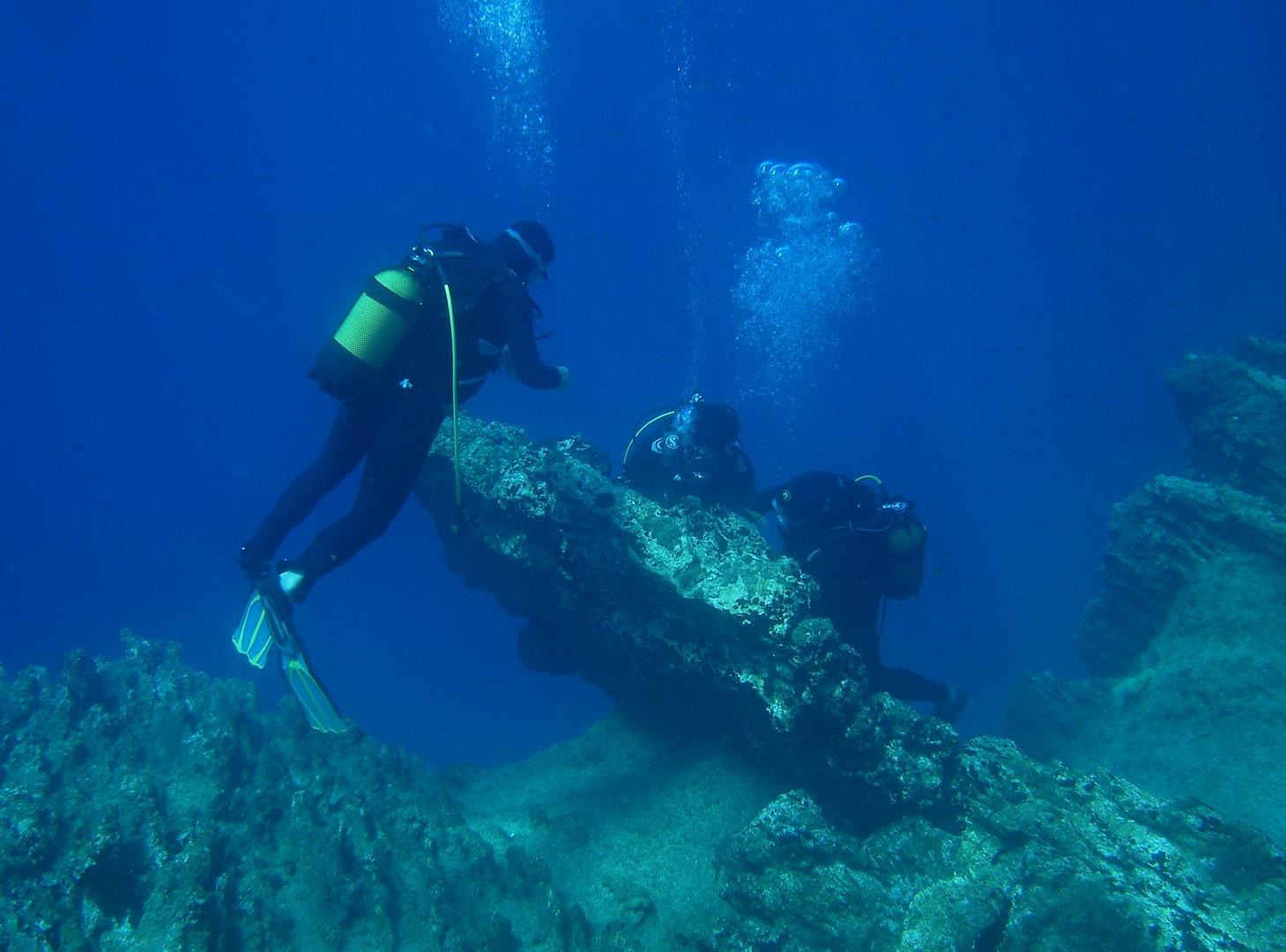
  • Deep sea research (especially in the North Aegean and Marmara Sea),
  • Investigation of the biotic and abiotic characteristics of the aquaculture areas in our seas, 
  • In the North Aegean region where Gökçeada Marine Research and Application Unit is located, especially in the Gulf of Saroz, studies for the identification, protection and conservation of endangered species and the creation of protection areas,
  • Collecting species and creating a data bank for the identification of our living resources in our seas constitute our priority areas.